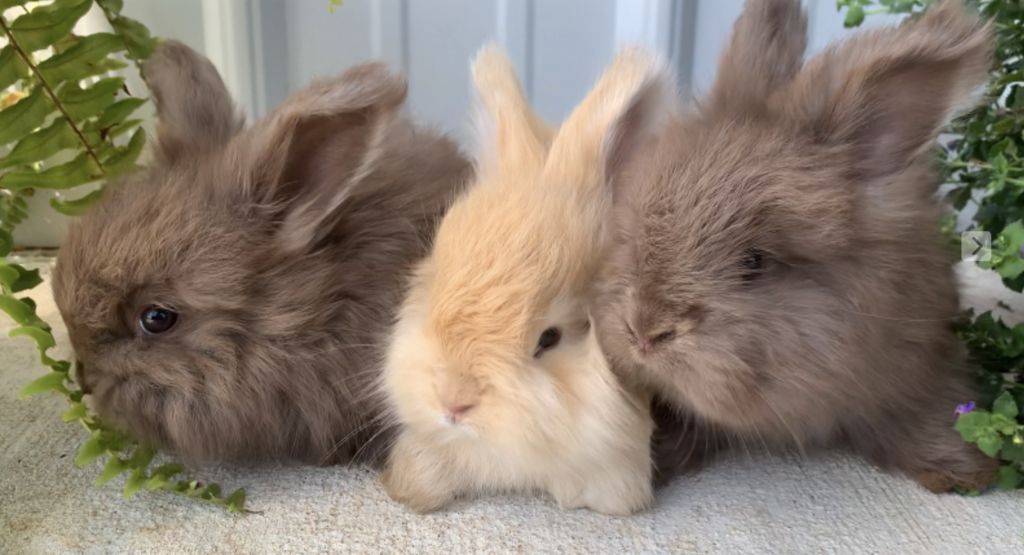
If you’re thinking about adding an English Angora rabbit to your family, it’s worth knowing right away that this is not your typical “easy, fluffy pet rabbit” situation. They are beautiful, gentle, and incredibly rewarding, but they also require a level of care that is very different from most rabbit breeds. A lot of people fall in love with the look first and only later realize how much daily upkeep is actually involved.
WHAT MAKES THEM DIFFERENT FROM OTHER RABBIT BREEDS
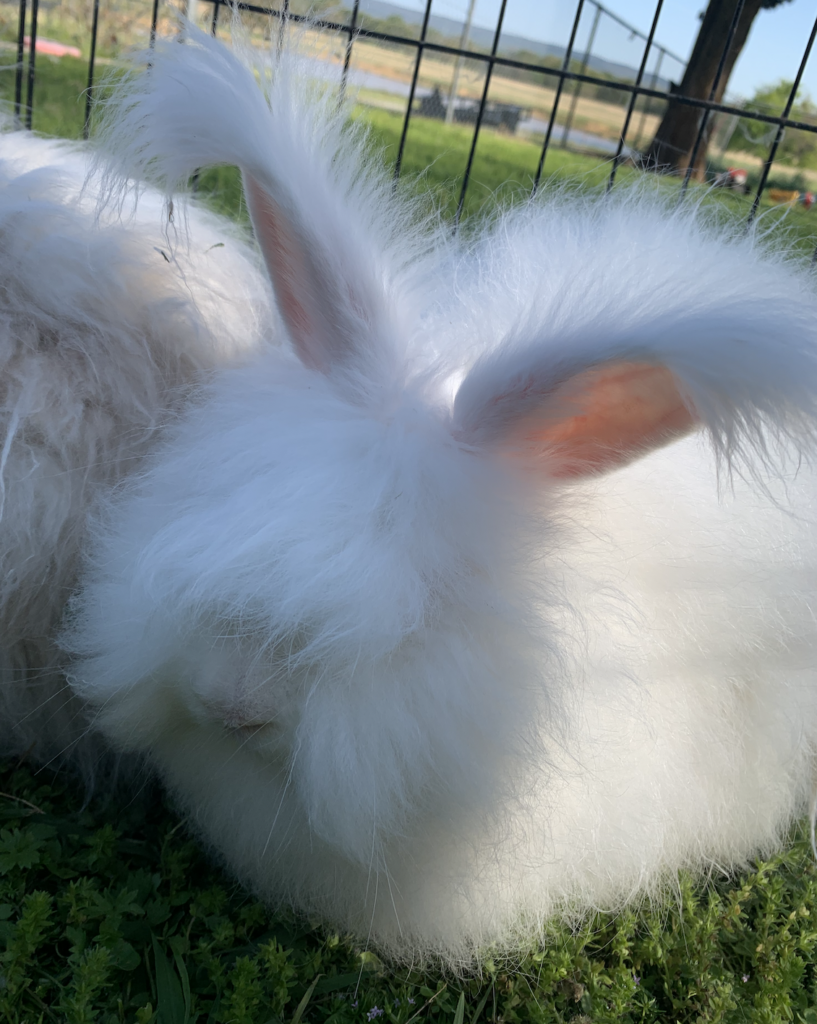
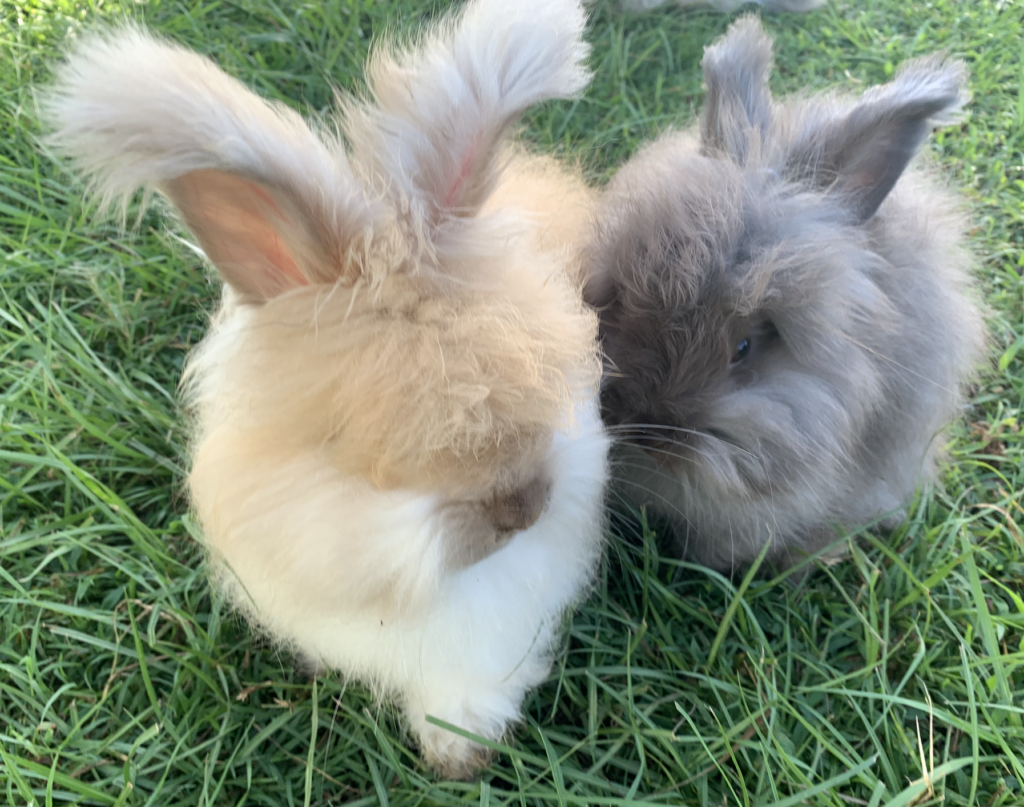
The biggest thing to understand is their coat. English Angoras grow wool continuously instead of shedding like a typical rabbit. So instead of losing fur here and there, their coat just keeps growing and building up.
That’s what makes them so unique, but it also means their coat needs regular attention to stay comfortable and healthy. Without that, it can start to tangle and mat pretty quickly.
GROOMING ISN’T OPTIONAL
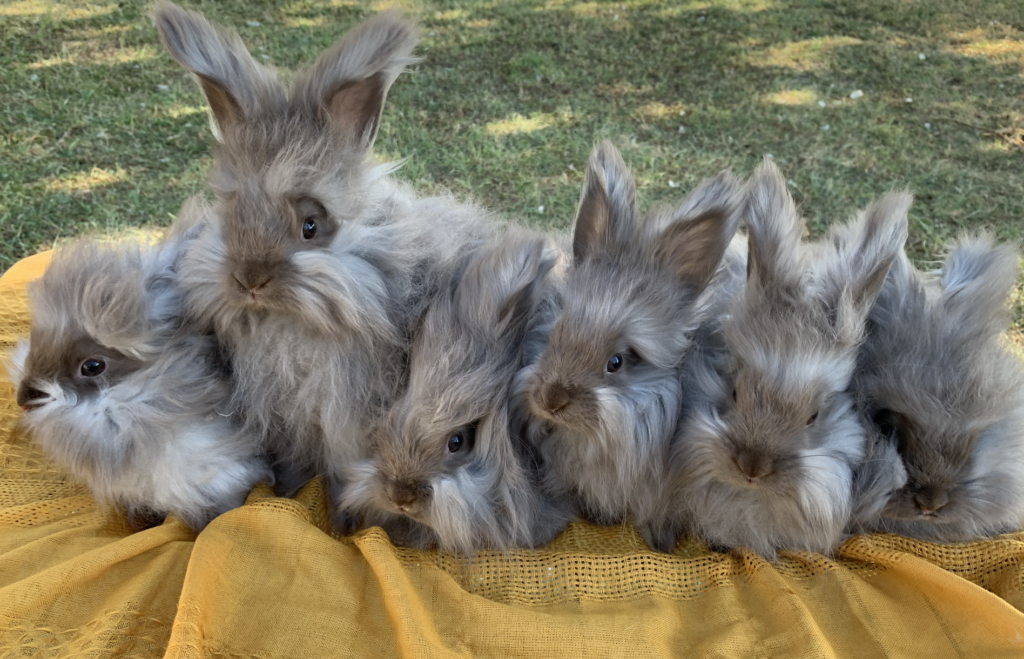
With most rabbits, brushing is something you do occasionally or during shedding seasons. English Angora grooming is more of a steady chore. A few quick sessions here and there make a big difference in keeping their wool manageable and soft.
If you stay on top of it, it’s honestly pretty quick and easy upkeep. If you fall behind for too long, that’s when things can get matted and harder to sort out.
HEALTH RISKS
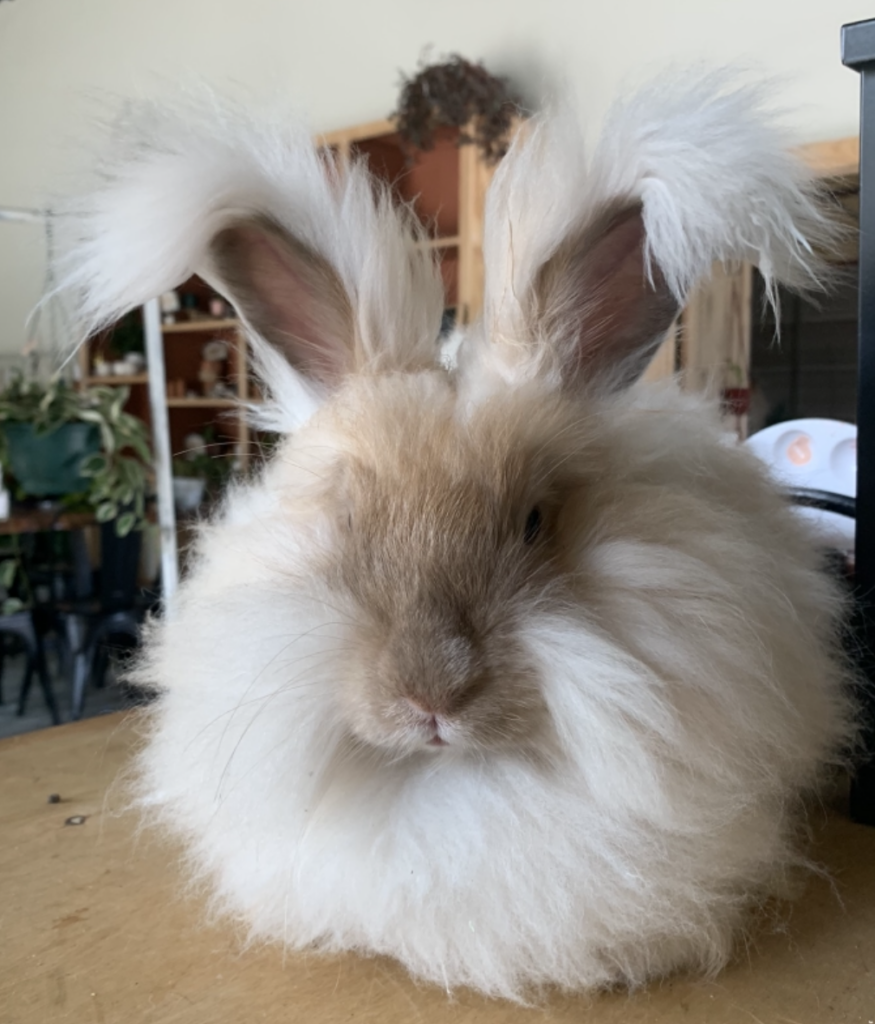
Rabbits naturally groom themselves, but with this much wool involved, they end up ingesting significantly more hair than other breeds. This can lead to a serious condition known as Wool block, where the digestive system slows or becomes blocked. Preventing this comes down to two things working together: keeping their diet high in fiber with unlimited hay available at all times, and staying consistent with grooming so loose wool is removed before they can eat it.
HOUSING
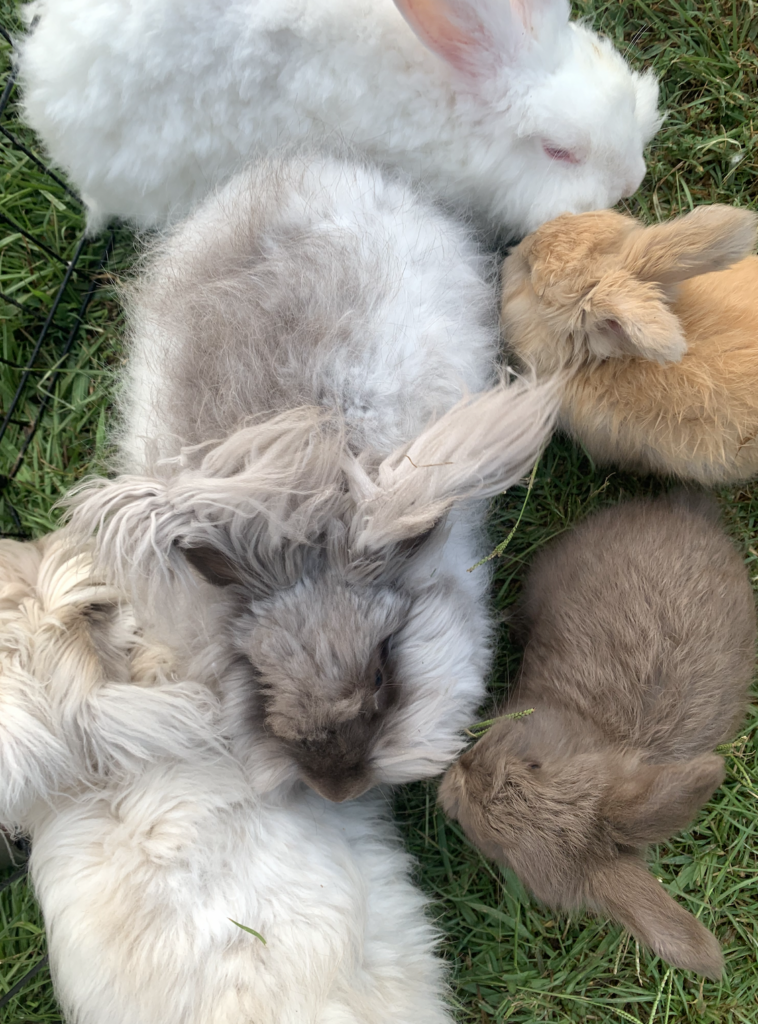
Their living environment also has to be managed more carefully. The wool on an Angora picks up everything, so bedding, hay, and even small bits of debris can stick to their coat and contribute to matting. This means their housing needs to be kept cleaner and drier than what might be acceptable for a standard rabbit. Good ventilation and regular cleaning are not optional details here, they are part of keeping the coat and skin healthy.
DIET
Diet also plays a bigger role than many people expect. While all rabbits depend on hay, English Angoras rely on it even more because it directly supports gut movement and helps reduce the risk of wool related blockages. A consistent, high-fiber diet is one of the most important parts of keeping them healthy long term.
THEIR PERSONALITIES MAKE THE EXTRA WORK WORTH IT
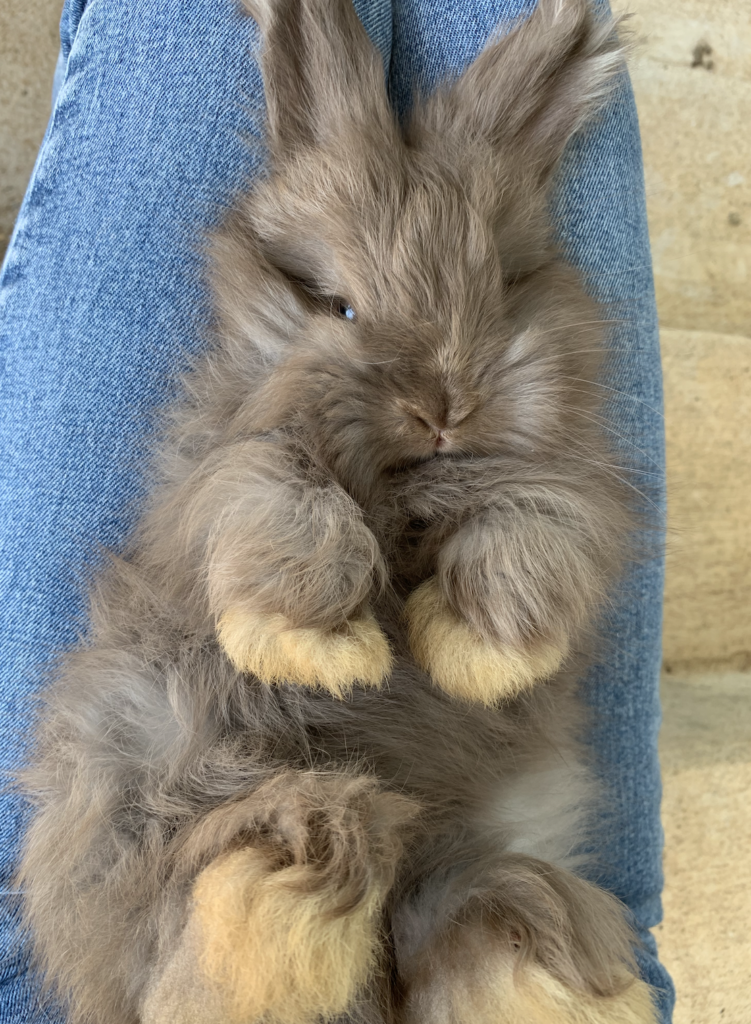
Temperament wise, English Angoras are often very calm and sweet, which is one of the reasons people are drawn to them. They tolerate handling well, which is important because you will be handling them often. Between grooming, coat checks, and routine care, they require a level of interaction that is much higher than a low-maintenance pet rabbit.
PREPERATION
Before you bring one home, it really just helps to have a simple setup in place: a clean, dry space that’s easy to maintain, basic grooming tools that feel comfortable to use, a steady supply of good hay, and a little extra time set aside in your week for coat care. It doesn’t need to be complicated or perfect, just something you can stay consistent with.
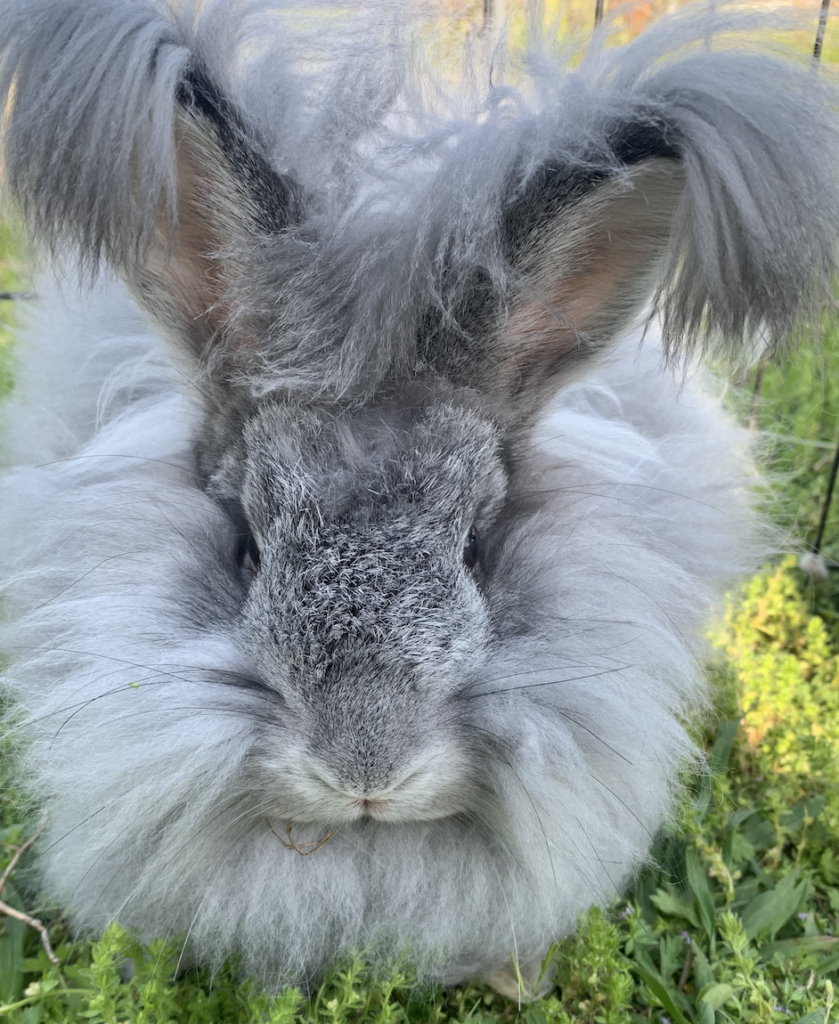
An English Angora rabbit is not necessarily harder than other rabbits, but they are absolutely more involved. Their care simply works differently. When their needs are met consistently, they are calm, affectionate, and incredibly rewarding animals to keep. But success with them comes from preparation and routine, not from assuming they will be low-maintenance.
If you are willing to commit to the grooming, the cleanliness, and the ongoing attention their coat requires, they can become one of the most enjoyable and unique rabbit breeds you’ll ever have.

I love this. So accurate.