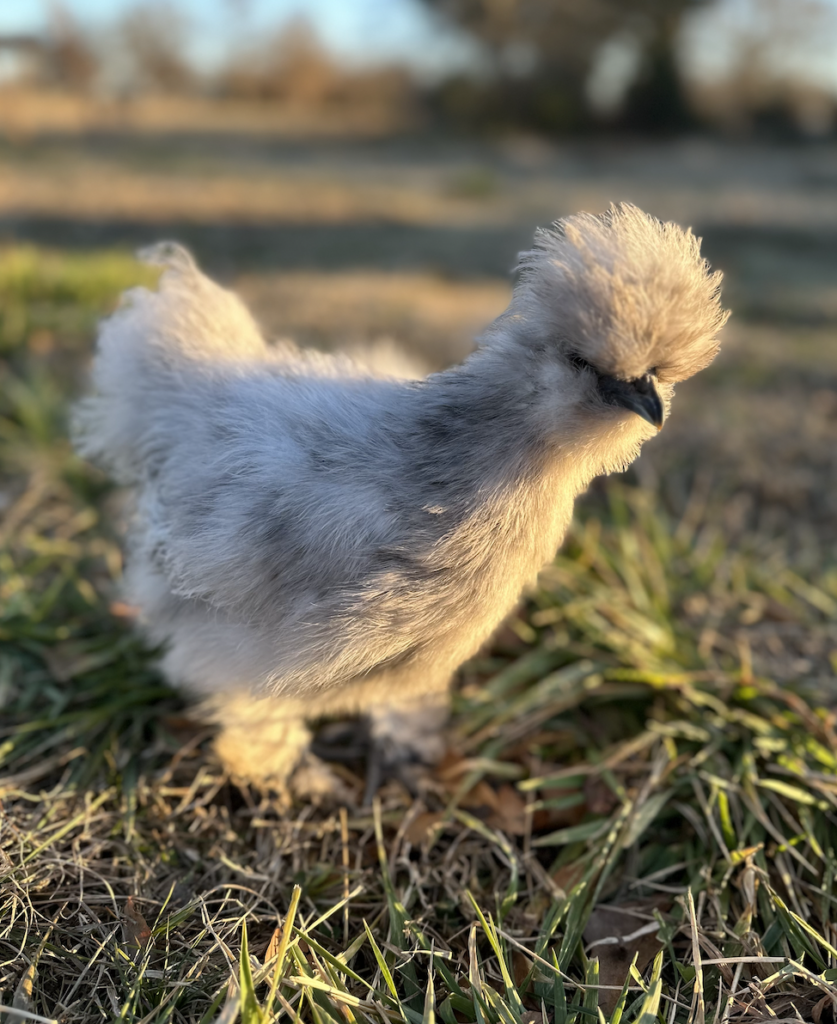
If you’re thinking about raising Silkie chicken, there are a few things that are good to know upfront so you’re not surprised once you bring them home. They’re one of the most loved backyard chicken breeds for a reason but they definitely don’t behave like your average chicken.
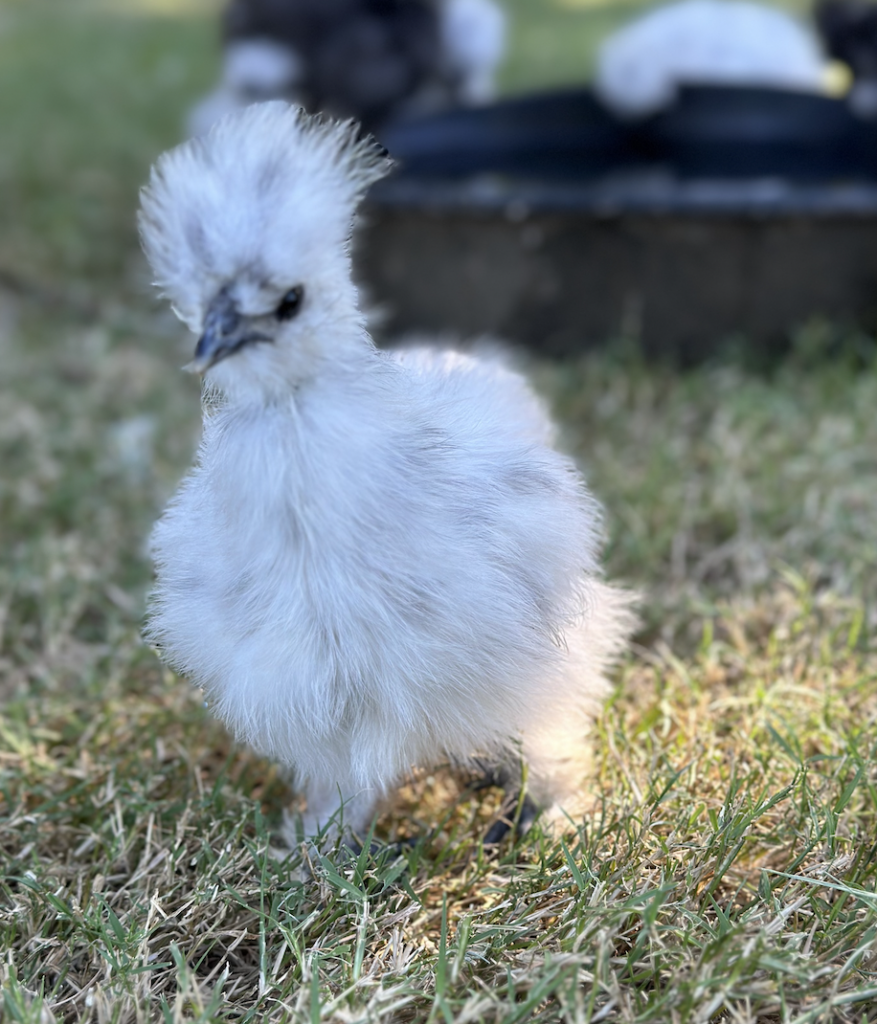
Silkies are small, fluffy, and incredibly calm birds. Their feathers are soft like fur instead of traditional feathers, which makes them look more like little puffballs than chickens. That same feather type also means they don’t handle wet, cold weather the same way standard breeds do. They need dry, draft-free housing and a little extra care in harsh weather.
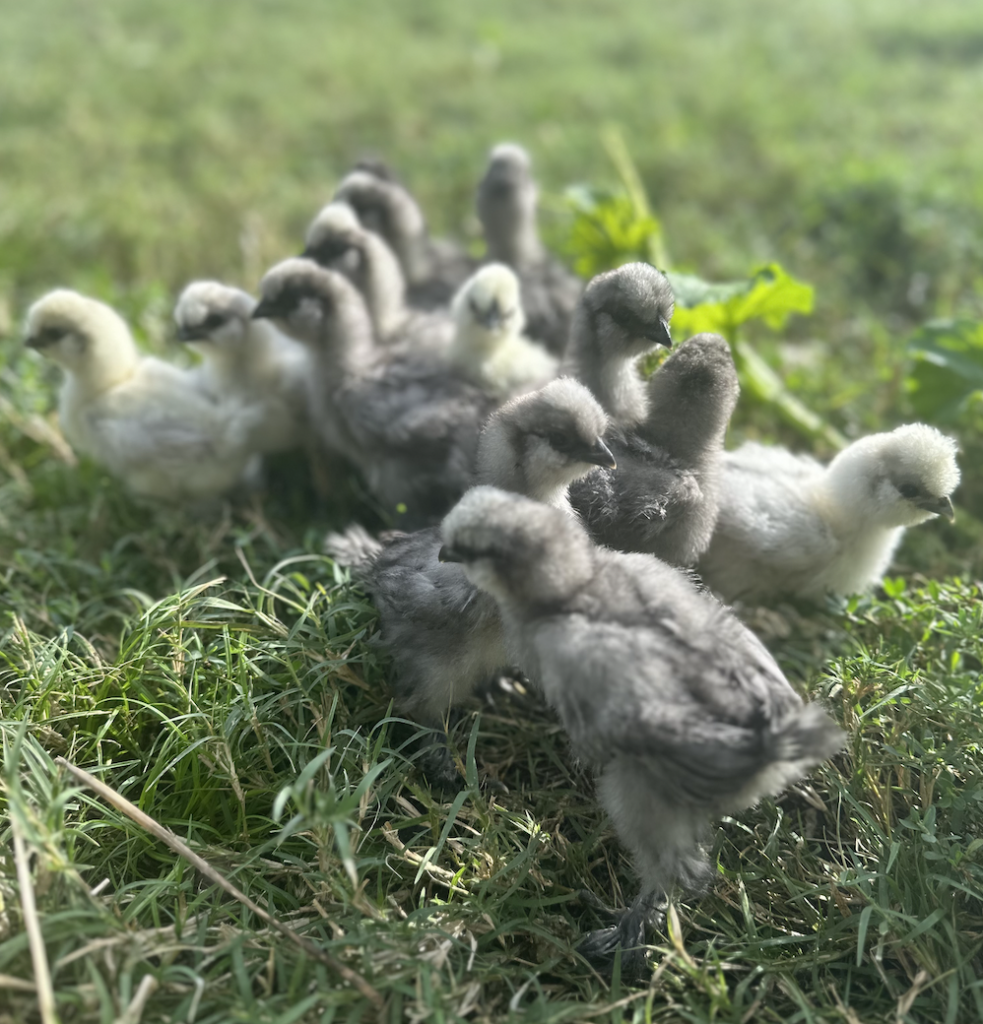
One of the biggest things people don’t realize before getting Silkies is how broody they are. They are famous for wanting to sit on eggs constantly. If you want a natural incubator, they’re perfect. If you’re trying to get consistent egg production, they might not be your best layer since they’ll often go broody instead of laying.
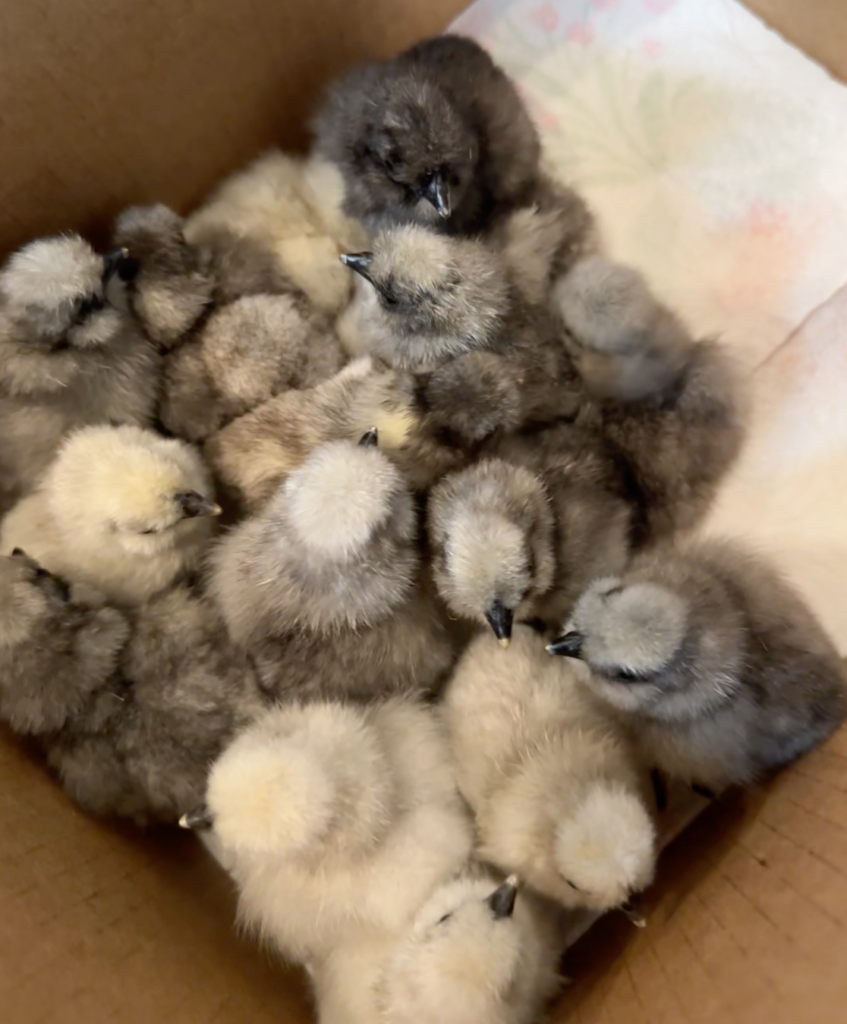
Temperament-wise, Silkies are about as friendly as chickens get. They’re calm, docile, and often easy to handle, which makes them great for kids or people wanting a more “pet-like” flock. They don’t do well in aggressive mixed flocks though, so you have to be careful pairing them with larger or more dominant breeds.
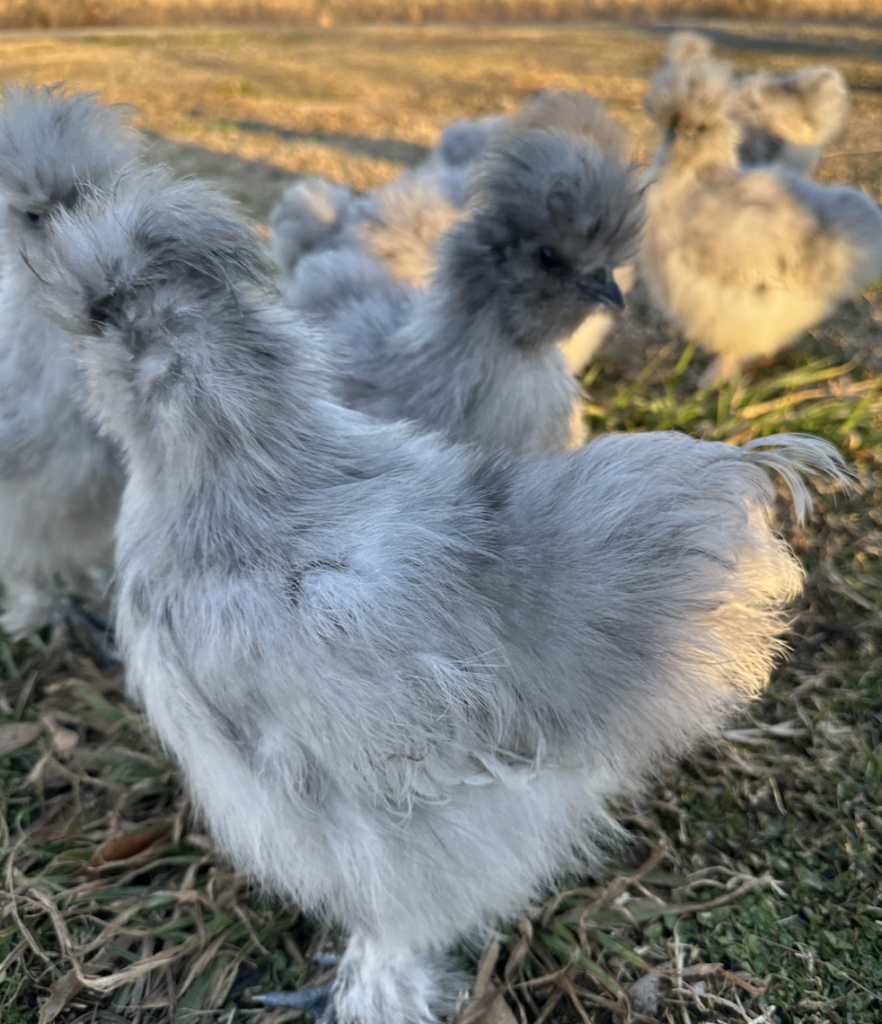
Housing is another big consideration. Because they can’t fly well, Silkies stay closer to the ground and are more vulnerable to predators. A secure coop and covered run is important. They also get dirty easily, so clean bedding and dry space matter a lot for keeping their feathers in good condition.
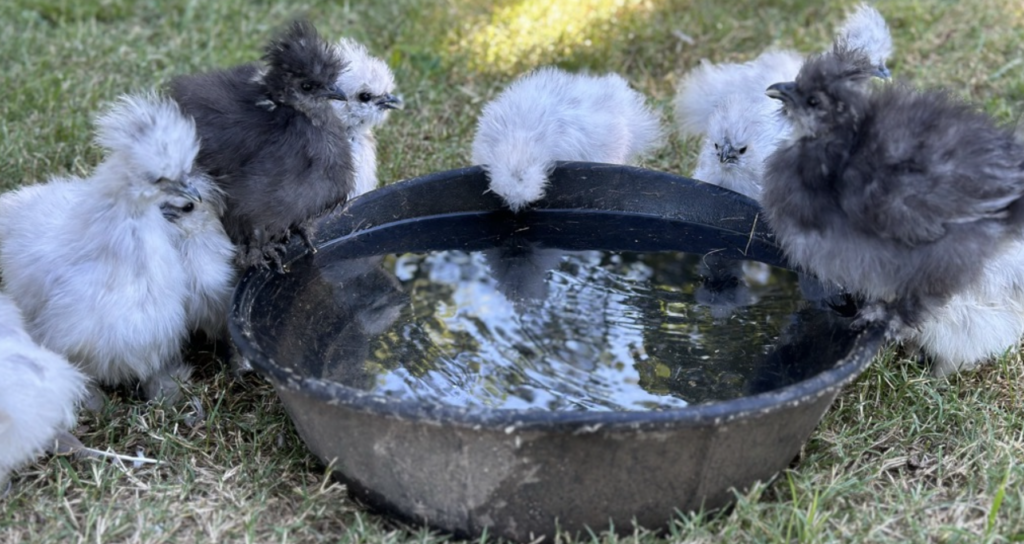
In terms of eggs, Silkies are not heavy layers. You’ll usually get small cream-colored eggs, and production is much lower compared to standard breeds. People keep them more for personality, brooding ability, and ornamental value rather than egg production.
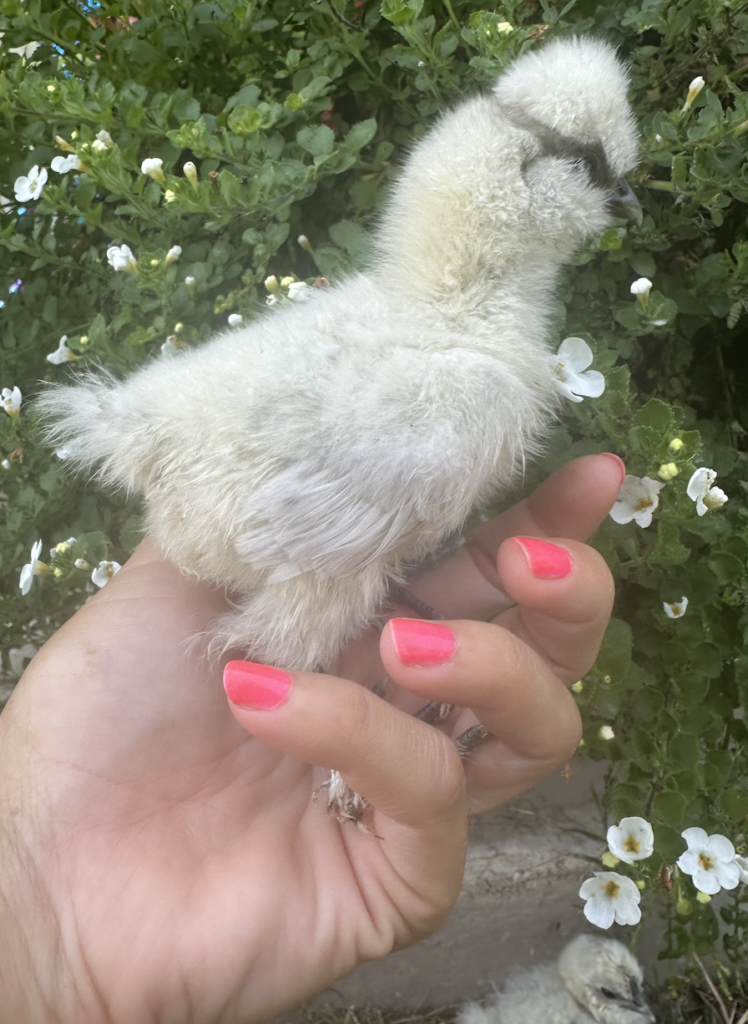
Overall, Silkies are best for someone who wants a calm, friendly, and beautiful chicken that feels more like a companion than a production bird. They do require a bit more care in terms of cleanliness, weather protection, and predator safety, but in return you get one of the sweetest backyard chickens you can raise.

COMMENTS